What is the ESTP personality type?
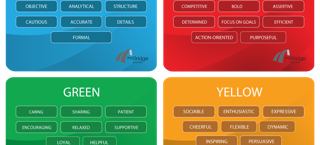
People with the ESTP personality type are energetic and active problem-solvers. They find creative ways to tackle challenges in their environment. They do not like strict rules or procedures and look for ways to improve how things are done. They often enjoy their work and are flexible and resourceful. These individuals are popular at parties and inspire others with their enthusiasm for life. They are curious about people, new things, and experiences. They learn best by doing rather than reading; they prefer to jump in and get started.
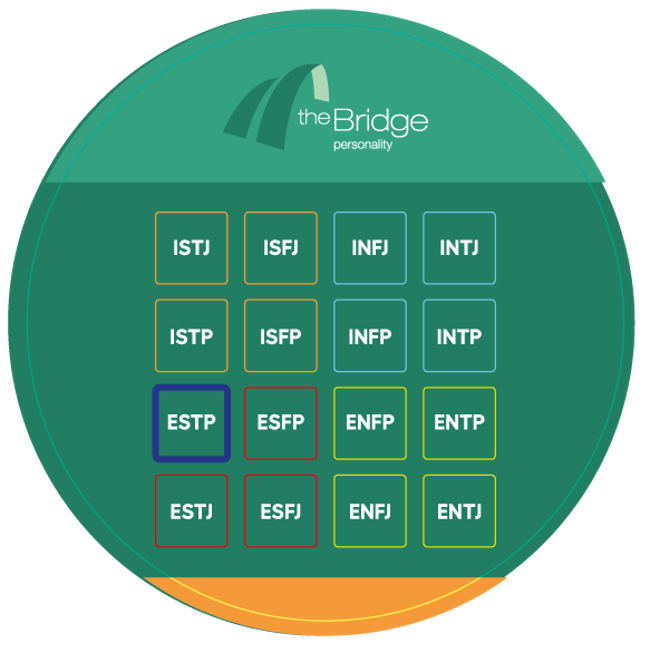
Preferences of the ESTP (Doer):
How do others view ESTPs?
Others see ESTPs as pleasant company and people who enjoy life. They are often enthusiastic and exuberant, and this trait attracts others. They seldom plan ahead but rely on their improvisation skills as situations arise.
Others see the ESTP as:
Pitfalls and development points of the ESTP
If Doers end up in a place where they cannot use their characteristics and talents, they can:
ESTP and career
ESTPs thrive on action, clarity, and concrete goals. They perform best in environments where they can think on their feet, make an immediate impact, and see tangible results. Routine work? They have no patience for it. They are natural problem-solvers and excel in dynamic situations that require quick analysis and decision-making.
Sometimes, ESTPs can become impatient when colleagues don’t work as quickly as they do. However, their charisma and confidence often make them natural leaders within a team. They motivate others with decisiveness and enthusiasm, tackling challenges head-on.
Best careers for an ESTP
ESTPs need a career where they can channel their energy and thrive in fast-paced, results-driven environments. Suitable careers include:





















The Bridge Tests & Online Assessments
TestGroup is the official provider of the renowned Bridge tests and online assessments, which are high-quality, scientifically validated psychometric tools used globally. Developed in collaboration with universities around the world, these assessments predict workplace behavior through personality tests, cognitive ability evaluations, and career assessments. We assist organizations globally in using online assessments.






-
What does the ESTP personality type mean?
-
The ESTP personality type stands for Extraversion, Sensing, Thinking and Perceiving. People with this type are energetic, action-oriented and pragmatic. They enjoy solving problems on the spot and prefer to stay active and hands-on.
-
How is the ESTP personality described in MBTI and 16Personalities?
-
In the MBTI framework, ESTPs are practical, confident and adaptable. The 16Personalities model calls them “Entrepreneurs”, highlighting their boldness, resourcefulness and ability to make quick decisions.
-
Is The Bridge Personality the same as MBTI or 16Personalities?
-
No, The Bridge Personality is not the same. While MBTI and 16Personalities are based mainly on Jung’s 16 Types, The Bridge Personality combines three scientific models: the Big Five, the 16 Jung Types and the 4-Color model. It is a professional tool developed for use in organisations, with validated psychometric research behind it.
-
What are the key strengths of an ESTP personality type?
-
ESTPs are flexible, confident and sociable. They think fast, take initiative and enjoy challenges that require quick, practical action. They often bring energy and motivation to teams.
-
What are the main development areas for ESTPs?
-
ESTPs can sometimes be impatient or impulsive. They may struggle with long-term planning or routine work, and they might overlook emotional or strategic aspects of situations if they focus too much on action.
-
In which work environments do ESTPs perform best?
-
ESTPs thrive in fast-paced, hands-on environments where they can take responsibility and make things happen. They like dynamic workplaces with room for initiative, quick decision-making and visible results.
-
Which careers fit the ESTP personality type best?
-
Typical ESTP careers include sales, entrepreneurship, marketing, emergency services, project management, event planning and consultancy. They perform best in roles that involve action, problem-solving and interaction with others.
-
How can organisations make the most of ESTP employees?
-
Give ESTPs freedom to act, practical challenges and variety in their work. Recognising their achievements and offering opportunities for leadership or innovation will keep them motivated.
-
What is the scientific background of The Bridge Personality?
-
The Bridge Personality is developed by TestGroup and based on the Big Five, the 16 Jung Types and the 4-Color model. It is scientifically validated and designed specifically for recruitment, development and coaching in organisations.
-
Why is it important to know that The Bridge Personality is different from MBTI or 16Personalities?
-
Because each tool serves a different purpose. The Bridge Personality is research-based and used professionally in organisations, while MBTI and 16Personalities are more suited for personal insight. Knowing the difference ensures that results are interpreted correctly and used effectively.
-
Are there any limitations to using the ESTP personality label?
-
Yes. Personality type gives valuable insight but should not be used alone to make decisions. It works best when combined with other assessments such as ability tests and structured interviews to build a complete view of someone’s potential.
Online Assessment Tips